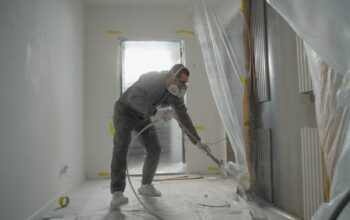
Imagine a veteran, returning home with pride and service etched into their spirit, but facing the reality of a home that no longer fully meets their needs. Perhaps it’s accessibility barriers, outdated systems, or simply the desire to create a more comfortable, energy-efficient sanctuary. For many, the financial strain of necessary upgrades can feel overwhelming. This is where the critical support of home improvement grants for veterans steps in, offering a lifeline to those who have given so much. These grants aren’t just about fixing leaky roofs; they’re about restoring dignity, enhancing safety, and improving the overall quality of life for our nation’s heroes.
Why Are Home Improvement Grants Essential for Veterans?
The transition from military service back to civilian life can present unique challenges, and a suitable living environment is paramount. Older homes, in particular, may not be equipped to handle mobility issues that can arise from service-related injuries, or they might be energy inefficient, leading to high utility bills. Home improvement grants for veterans are designed to bridge these gaps, ensuring that their homes are not only safe and comfortable but also a place of true solace and pride. It’s about acknowledging their sacrifice by providing practical, tangible support for their most fundamental need: a secure and functional home.
Navigating the Landscape of Veteran Home Improvement Funding
Securing financial assistance for home improvements can seem daunting, but understanding the available avenues is the first step. While specific programs can evolve, the core intention remains: to empower veterans.
#### Exploring Key Federal and State Initiatives
The U.S. Department of Veterans Affairs (VA) is a primary resource, though it’s important to note that the VA often facilitates these grants through other agencies or specific programs rather than directly funding all home improvement projects.
Specially Adapted Housing (SAH) Grants: These are perhaps the most well-known and transformative grants. They are specifically for veterans with service-connected disabilities that require modifications to make their homes suitable for their needs. This can include ramps, wider doorways, accessible bathrooms, and even specialized kitchen facilities.
Home Improvement and Structural Alteration (HISA) Grants: For veterans who don’t require extensive structural changes but need improvements for accessibility or to treat a service-connected disability, HISA grants offer a valuable alternative. This could cover things like grab bars, handrails, or repairs to existing assistive features.
Beyond federal programs, many states offer their own initiatives, often in partnership with local non-profits or veteran organizations. These can provide supplementary funding or cover projects not addressed by federal grants. It’s always worth investigating what your specific state or local government provides.
Beyond Accessibility: Other Grant Opportunities
While accessibility is a major focus, home improvement grants for veterans can sometimes extend to other vital areas that enhance a veteran’s living conditions.
#### Energy Efficiency and Safety Upgrades
Maintaining an energy-efficient home is not just about comfort; it’s also about financial sustainability. Grants may be available for projects that reduce energy consumption, such as installing new insulation, upgrading to energy-efficient windows, or replacing old, inefficient heating and cooling systems. Similarly, grants can sometimes be allocated for essential safety improvements, like updating electrical systems to prevent fire hazards or reinforcing structural elements to withstand severe weather. These upgrades not only improve the veteran’s immediate living environment but also contribute to long-term cost savings and peace of mind.
How to Apply: A Strategic Approach
The application process for home improvement grants for veterans requires diligence and attention to detail. While each grant has its specific requirements, a common thread is the need for thorough documentation.
#### Essential Documentation and Preparation
Before you even begin filling out applications, gather all necessary documents. This typically includes:
Proof of Veteran Status: Your DD-214 or other official service records.
Proof of Disability (if applicable): VA disability ratings and medical documentation supporting the need for modifications.
Homeownership Proof: Deed, mortgage statements, or property tax records.
Contractor Estimates: Detailed quotes from licensed and insured contractors for the proposed work.
Detailed Project Plans: Clear descriptions and diagrams of the improvements needed.
Many grant applications will also require a compelling narrative explaining why* the improvements are necessary and how they will directly benefit the veteran. This is where you can truly articulate the impact these grants can have on well-being.
I’ve often found that veterans who proactively engage with their local VA office or veteran service organizations have a smoother application journey. These groups can provide invaluable guidance, helping to demystify the paperwork and connect you with the right resources.
The Broader Impact: More Than Just Bricks and Mortar
It’s easy to focus on the physical improvements – the new ramp, the updated bathroom, the energy-efficient windows. But the implications of home improvement grants for veterans run much deeper. For a veteran facing mobility challenges, an accessible home means regaining independence and reducing reliance on others. For those dealing with the lingering effects of service, a safe and comfortable living space can significantly contribute to mental and emotional healing. These grants foster a sense of well-being, allowing veterans to truly settle back into civilian life with the security and comfort they deserve. They are a tangible expression of our nation’s gratitude, ensuring that their sacrifices are honored long after their service has concluded.
Wrapping Up: Your Next Steps to a Better Home
The journey to securing home improvement grants for veterans might require patience and persistence, but the rewards are substantial. Start by thoroughly researching the specific grants you might qualify for, paying close attention to the eligibility criteria and application requirements. Don’t hesitate to reach out to your local VA representative or a trusted veteran service organization; they are invaluable allies in this process. With careful planning and persistent effort, transforming your home into the safe, accessible, and comfortable haven you deserve is an achievable goal.